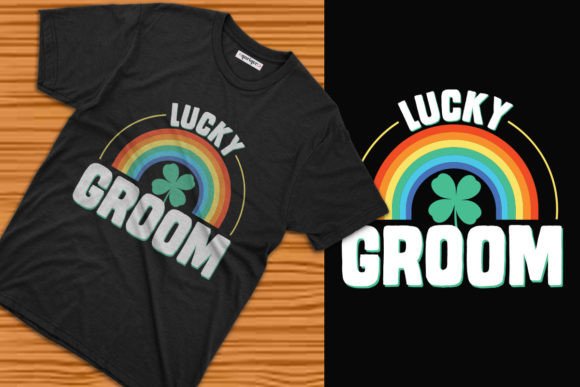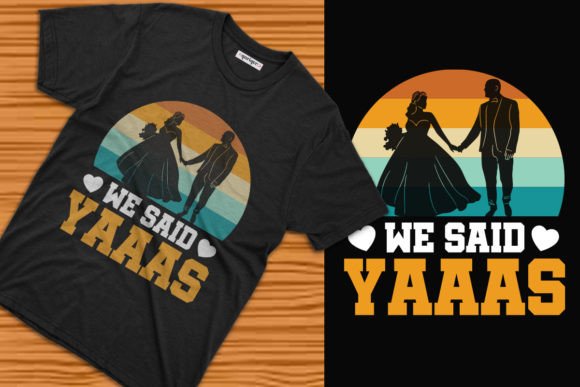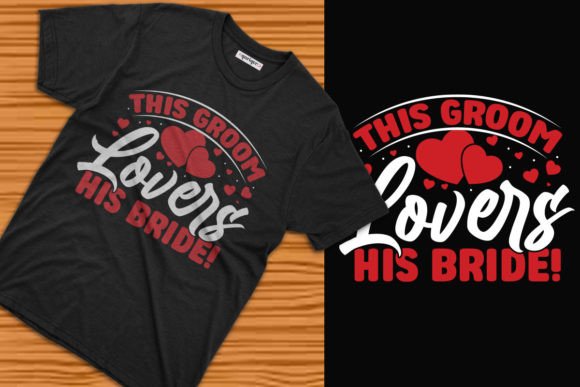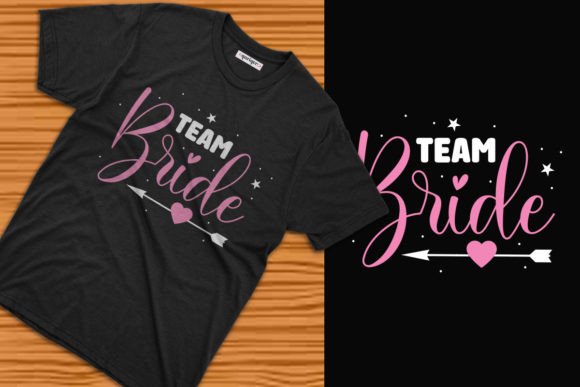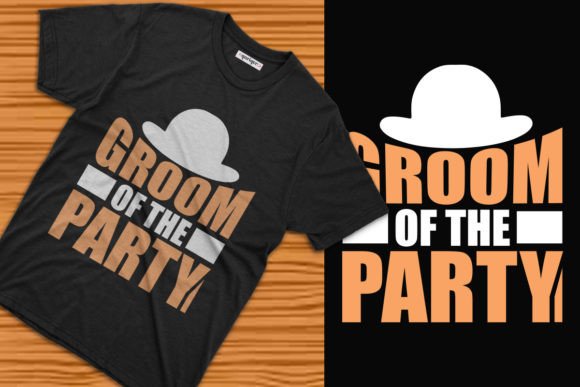
Groom of the Party Bride Groom Tee
A Designer’s First Look: Playful, Polished, and Purpose-Built
When I opened Groom of the Party Bride Groom Tee for the first time, my eye went straight to the balance — not just between “Bride” and “Groom,” but between whimsy and wearability. This isn’t a cluttered wedding motif or a stiff monogram; it’s a lighthearted, modern graphic with clean lines, intentional spacing, and a rhythm that feels conversational — like something you’d actually say at a rehearsal dinner. As an embroidery designer who’s stitched hundreds of bridal-themed pieces, I immediately pictured it on a relaxed-fit unisex sweatshirt for a groom’s weekend bag, or scaled down as a subtle chest embroidery on a linen apron for a wedding-day caterer.
Where It Shines: Real Projects, Real Fabric
I tested Groom of the Party Bride Groom Tee across three real-world applications: a medium-weight cotton tote for a local bridal boutique, a brushed cotton baby onesie for a gender-neutral baby shower gift, and a structured twill cap for a small wedding-planning side hustle. In each case, the design held up — not because it’s overly technical, but because its simplicity is intentional. The letterforms are generous, the iconography (if included in the version I reviewed) avoids fine interior detail, and the overall footprint stays comfortably within a 4" x 4" hoop without crowding. That makes it ideal for embroidered patch production, tote bag design, and even baby embroidery, where stitch clarity trumps decorative complexity.
On the sweatshirt? It read cleanly at 3.75" wide — no thread nesting, no puckering — especially when paired with a medium-cut tear-away + light cut-away stabilizer combo. On the onesie? I reduced it to 2.5", and the proportions stayed friendly and legible. That adaptability matters: this isn’t a one-size-fits-all machine embroidery design, but one built for flexibility across custom apparel, holiday embroidery, and personalized gift contexts — think anniversary tea towels, nursery wall hangings, or embroidered kitchen towels for a couple’s housewarming.
Where to Pause — Not Problems, Just Practical Checks
Like any well-designed digital embroidery file, Groom of the Party Bride Groom Tee asks for thoughtful execution — not magic. It performs best on stable, medium-to-heavy fabrics. On thin jersey or stretchy knits, I recommend testing with basting stitches first and using a firm cut-away stabilizer underneath. Curved surfaces — like the front panel of a dad cap — require careful hooping and possibly slight digitizing tweaks to avoid distortion in the top arch of the text. And while the design avoids ultra-thin lines or tiny serifs, if your version includes small decorative accents (hearts, stars, or script flourishes), inspect those closely in your embroidery software: they may need manual cleanup or density adjustment for crispness on textured fabrics like terry cloth or fleece.
Also worth noting: if you’re planning to use it on dark fabric, check contrast early. Some versions of this design rely on white or light thread for readability — so run a black-and-white mockup before stitching. And if you’re offering it as part of a craft business or Etsy seller bundle, confirm whether the license covers resale of the finished product — not just personal use. That distinction changes how confidently you can list it alongside your small shop product line.
What It Adds — Beyond Stitching
What makes Groom of the Party Bride Groom Tee more than just another T-Shirt Designs asset is how it supports perception. When customers see this on a handmade item, it signals intention — not just “wedding-related,” but “thoughtfully made for real people.” That builds customer trust. On a boutique shelf or Etsy listing, it elevates brand consistency without demanding high-end digitizing skills. And because it’s fully customizable — colors, sizing, layout — it scales naturally from a single personalized gift to a batch of commercial embroidery orders for a local event planner.
I recently used it on a set of linen pillow covers for a client’s vow renewal. We swapped the default thread palette for muted sage and cream — and suddenly, the design felt heirloom-adjacent, not party-store casual. That kind of quiet versatility is rare. It doesn’t shout. It invites. And in handmade markets, that’s often the difference between a one-time buyer and a repeat customer.
Designer Notes You’ll Actually Use
- Always test on scrap fabric first — especially if pairing with textured or stretchy materials.
- Review stitch density in your embroidery software: too dense = stiffness and wear; too sparse = gaps and fraying over time.
- Confirm hoop size compatibility before prepping a production run — don’t assume it fits your smallest hoop without checking.
- Inspect small details like inner curves or connecting strokes — they’re often where thread breaks or misalignment happens.
- Test black-and-white mockups to assess contrast and hierarchy before committing to thread colors.
- Compare light and dark fabric backgrounds — what reads clearly on ivory may vanish on navy unless adjusted.
- Use proper stabilizer for your fabric type — no shortcuts on baby items or frequently washed goods.
- Verify licensing before selling finished items or bundling the digital embroidery file with other design assets.
The Bottom Line for Makers
Groom of the Party Bride Groom Tee isn’t flashy — and that’s its strength. It’s a grounded, adaptable Graphics piece built for real work: stitching on busy weekends, fulfilling Etsy orders, creating memorable personalized gifts, and building a recognizable craft business identity. It won’t replace your go-to monogram or intricate floral border — but it fills a quiet, consistent need: joyful, legible, and effortlessly human embroidery for life’s most shared celebrations. If you’re choosing designs for your next batch of small shop product listings or holiday inventory, this one earns its place — not as a novelty, but as a reliable, quietly confident tool.