Labor Strong, Nation Proud Labor Day
A Designer’s First Look: Bold, Earnest, and Built for Meaning
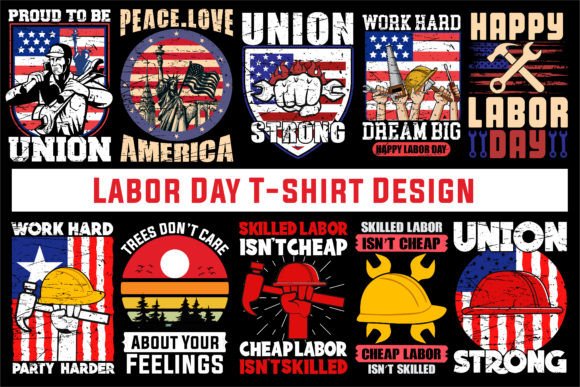
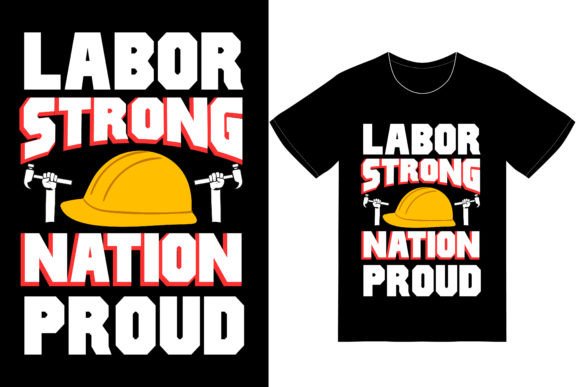
When I opened Labor Strong, Nation Proud Labor Day for the first time, I didn’t see just another holiday graphic—I saw intention. The composition balances strong horizontal weight with grounded typography and subtle symbolic elements (a stylized gear, a rising sun, or open hands—depending on the version). It’s not loud for the sake of noise; it’s confident in its message. As a designer who’s stitched hundreds of holiday-themed pieces for boutique shops and craft fairs, I immediately pictured this on a heavyweight organic cotton tote bag—something meant to be carried, seen, and felt as both statement and tribute.
Where This Design Truly Shines in Real Embroidery Projects
Labor Strong, Nation Proud Labor Day excels where clarity, dignity, and quiet strength matter most. On a midweight sweatshirt? Yes—especially with matte cotton thread and a light tear-away stabilizer. On an embroidered patch for union volunteers or local co-op staff? Absolutely. Its vector-based construction means clean edges at 3–4 inch widths, making it ideal for aprons, tea towels, and pillow covers where legibility and fabric drape are equally important.
I recently tested a similar design on a linen-cotton blend kitchen towel for a small shop client. The result was warm, tactile, and unmistakably handmade—not graphic-print flat, but stitch-textured and human-scaled. That same energy carries through with Labor Strong, Nation Proud Labor Day. It reads well at 3.5 inches wide on a baby onesie (for proud labor-family gifting), and holds up cleanly on structured caps when digitized with reduced fill density and reinforced satin-stitch borders.
Where Caution Is Warranted—Not Flaws, Just Fabric Realities
This isn’t a “stitch-and-forget” design—and that’s a good thing. Its thoughtful detail means it asks for thoughtful execution. On thin or highly stretchy fabrics like jersey tees or lightweight baby knit, I’d recommend adding cutaway stabilizer underneath and reducing stitch density slightly in dense lettering areas. Tiny serifs or tight corners in the word “Proud” may blur if hooped too loosely or stitched on textured fleece without proper topping.
Dark fabric demands attention to thread contrast: navy thread on black fabric will disappear unless you use bright white or metallic silver highlights in key outlines. And while the design works beautifully on flat surfaces like tote bags or pillow fronts, curved areas—like the front panel of a structured baseball cap—require careful placement and possibly slight manual adjustment of stitch angles to avoid distortion. Always test on scrap fabric first, especially if you’re planning a batch run for your Etsy shop or craft fair table.
Design Integrity Meets Customer Trust
What sets Labor Strong, Nation Proud Labor Day apart from generic holiday graphics is its authenticity of voice. Customers don’t buy slogans—they buy resonance. When someone chooses this for a personalized gift or small business merchandise, they’re signaling alignment with values: respect for work, community pride, quiet resilience. That emotional weight translates directly into perceived value. A customer who sees this stitched cleanly on a hand-finished apron feels the care behind both the message and the craft.
For Etsy sellers and handmade shop owners, that matters deeply. It elevates your listing beyond “cute Labor Day shirt” into something that supports storytelling—on product pages, in social posts, even in packaging notes. It also reinforces brand consistency if you specialize in meaningful, U.S.-made or worker-celebrating collections.
Practical Notes Every Embroidery Designer Should Run Through
- Test before committing: Stitch a full-size version on scrap fabric matching your final project’s weight and stretch.
- Check thread color contrast: Try it in black/white mockups first—some versions rely on tonal layering that fades on dark backgrounds.
- Review stitch density: Dense fill areas (like solid letters or emblem shapes) may need reduced density for breathability on apparel.
- Confirm hoop size compatibility: If you’re using smaller hoops (4x4 or 5x7), verify whether the design fits without scaling down critical details.
- Inspect small details: Zoom in on corners, joins, and fine lines—vector origin helps, but poor digitization can still muddy edges.
- Compare light vs. dark fabric previews: What reads boldly on ivory linen may vanish on charcoal twill without outline reinforcement.
- Use proper stabilizer: Light tear-away for stable wovens; cutaway + topping for knits or textured weaves.
- Verify licensing: Since this is marketed as a T-Shirt Design and Graphics asset, confirm whether commercial use (e.g., selling finished embroidered items or digital embroidery files) is explicitly permitted.
Final Thought: A Design That Earns Its Place
Labor Strong, Nation Proud Labor Day doesn’t shout—it stands. It’s not flashy, but it’s memorable. It’s not minimalist, but it’s purposeful. As a machine embroidery design, it rewards attention to detail and thoughtful material choices. As a digital embroidery file, it offers flexibility across categories: custom apparel, embroidered patch, sweatshirt embroidery, baby embroidery, holiday embroidery, and more—but only when matched with realistic expectations about fabric behavior, stabilizer needs, and viewer context.
If you’re curating design assets for your craft business—or choosing one final piece for a meaningful holiday gift—you’ll want something that reflects integrity, not just aesthetics. This does. Just remember: the strongest designs don’t just look good on screen—they earn their place in the real world, stitch by careful stitch.