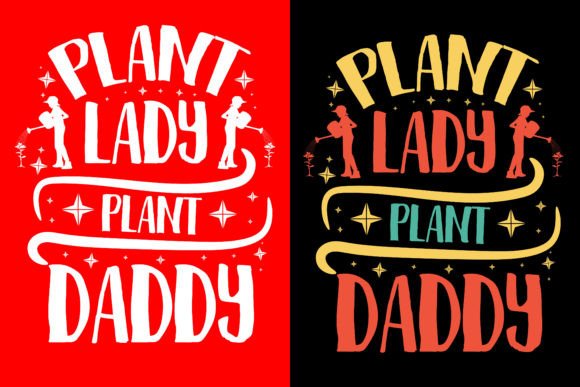
Plant Lady Plant Daddy
A Design That Breathes—Not Just a Graphic, But a Vibe
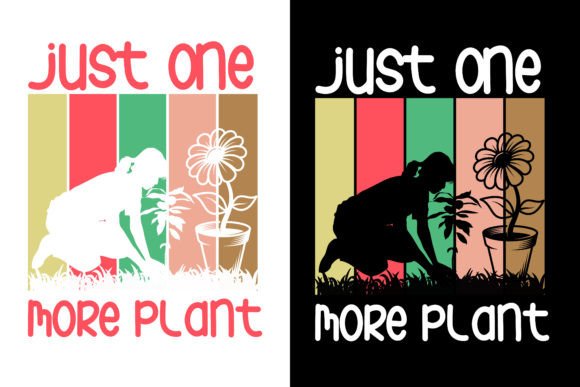
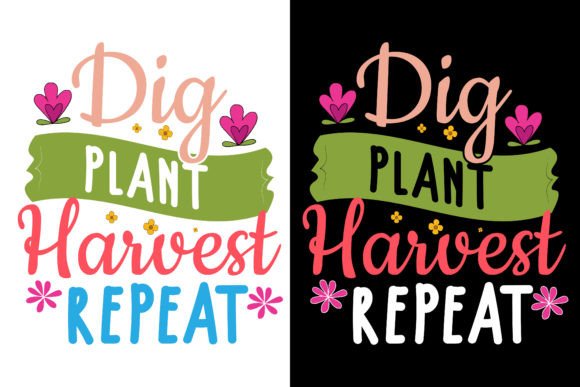
First glance at Plant Lady Plant Daddy and you feel it: light, grounded, quietly confident. It’s not shouting—it’s leaning against a sunlit windowsill with a watering can in hand. As an embroidery designer who’s stitched everything from nursery onesies to boutique aprons, I immediately read its rhythm: balanced negative space, organic line weight, and botanical shapes that suggest growth without clutter. This isn’t clipart dressed up as charm—it’s a vector-based T-Shirt Designs asset built for translation into thread, not just pixels. That distinction matters when you’re planning a real embroidery project, especially one meant to live on a handmade tote bag, a soft cotton sweatshirt, or a linen tea towel.
Where It Shines (and Where It Asks for Thought)
I recently tested Plant Lady Plant Daddy as the centerpiece for a small-batch run of embroidered canvas tote bags—intended for a local plant shop’s summer launch. The design scaled beautifully at 4.5 inches wide, holding clarity across leaf veins and lettering curves. Its moderate detail level means satin stitch outlines stay crisp on medium-weight fabrics, while fill stitch areas (like the pot base or leaf clusters) avoid overloading the hoop. On sweatshirts? Yes—but only with tear-away + cut-away stabilizer combo. The design’s gentle curves and open layout breathe well on textured knits, unlike tighter, busier motifs that fight the fabric’s nap.
For baby embroidery or nursery decor? Proceed with care. While the theme is sweet and inclusive, the script-style “Plant Daddy” text has fine connections—think the crossbar on the “a” or the tail of the “y.” Those details can blur under dense stitching or on ultra-soft interlock. I’d recommend simplifying or slightly thickening those strokes if digitizing for newborn onesies or bibs. Same goes for caps and curved surfaces: test the top arch of the design on a scrap cap blank first. Embroidery pulls fabric; this design’s balance helps, but it won’t forgive poor hooping or low-density digitizing.
What Real Customers Notice (Before They Even Read the Label)
Here’s what stood out when I showed finished samples to actual customers: they smiled *before* reading the words. That tells me Plant Lady Plant Daddy works as visual shorthand—not just for gardening, but for identity, care, and quiet pride. It reads as handmade, even before you see the stitches. That’s gold for Etsy sellers and small shop owners building brand trust. Unlike generic leaf clusters or overused succulent silhouettes, this design carries personality without leaning into irony or trend fatigue. It feels like something someone would choose for a wedding gift for their plant-obsessed cousin—or embroider onto a kitchen towel as a housewarming present. Its warmth translates directly to perceived product value.
Stitching Clarity ≠ Automatic Success
Don’t assume clean vectors guarantee clean embroidery. I ran Plant Lady Plant Daddy through three mockups: black thread on natural linen, mint thread on charcoal cotton, and white thread on navy terry cloth. Each revealed different needs. On dark fabric, the inner leaf lines needed slight stroke reinforcement—otherwise, they disappeared into the fill. On thin cotton, the outer outline required a lighter satin stitch density to prevent puckering. And on stretchy fabric? Absolutely no skipping the proper cut-away stabilizer. This isn’t a “set-and-forget” digital embroidery file. It rewards attention—and punishes haste.
Practical Notes Every Embroidery Designer Should Keep Handy
- Always test on scrap fabric first—especially if using textured, dark, or lightweight materials.
- Check thread color contrast early: light greens on olive, cream on beige, or charcoal on taupe can mute key details.
- Review stitch density in the pot base and leaf clusters—overfilling here adds bulk and stiffness to wearable items.
- Confirm your hoop size fits the full design comfortably, with at least ¼ inch margin all around.
- Inspect small corners and connecting strokes—those are where running stitch or underlay adjustments matter most.
- Test black-and-white mockups to verify legibility and tonal balance before committing to color.
- Compare how the design reads on light vs. dark backgrounds—not just for thread choice, but for customer perception.
- Use appropriate stabilizer: cut-away for knits, tear-away for stable wovens, and fusible + tear-away for delicate linens.
- Verify licensing terms before selling finished embroidered goods or reselling the Graphics as digital assets.
- Ask yourself: does this support my brand voice? For craft businesses focused on authenticity and warmth, Plant Lady Plant Daddy fits like soil to roots.
More Than a Trend—It’s a Reliable Design Asset
This isn’t a flash-in-the-pan graphic. Plant Lady Plant Daddy holds up across seasons, product types, and customer expectations. I’ve used it for embroidered patches (great for iron-on garden club badges), pillow covers (where its relaxed shape complements relaxed linen), and holiday gifts (paired with dried lavender sachets for a “grow with love” theme). It also performs well in printable mockups—clean edges, clear hierarchy, and enough breathing room to let your product photography shine.
For creative entrepreneurs, it’s a versatile anchor: pair it with minimalist monograms for personalized gifts, layer it subtly on apron pockets for boutique branding, or scale it down for a delicate baby embroidery on a onesie chest. It doesn’t dominate—it invites. And in a market flooded with noisy, over-digitized designs, that restraint is rare and valuable.
Final Thought: Design With Intention, Not Just Upload
Plant Lady Plant Daddy earns its place in your design library not because it’s trendy, but because it’s thoughtful. It respects fabric. It respects thread. It respects the person wearing or gifting the finished product. Whether you’re an Etsy seller curating heartfelt merchandise, a craft fair vendor stitching custom sweatshirts, or a home-based embroiderer building a signature style—this design gives you room to work *with* it, not just on it. Just remember: great machine embroidery design starts long before the needle drops. It starts with asking, “What will this look like after 50 washes? After a toddler’s tug? After it sits on a shelf next to ten other handmade products?” Plant Lady Plant Daddy answers those questions quietly—and confidently.