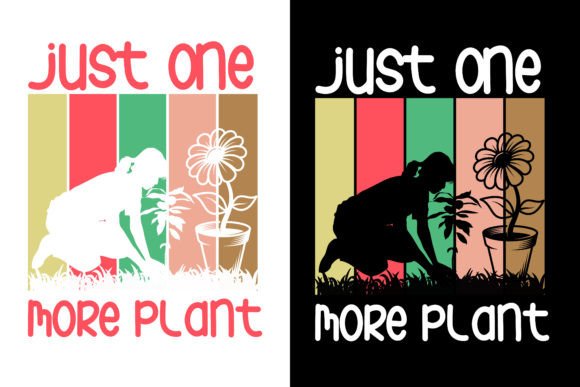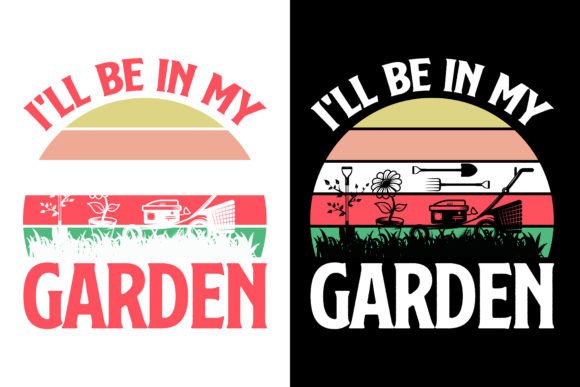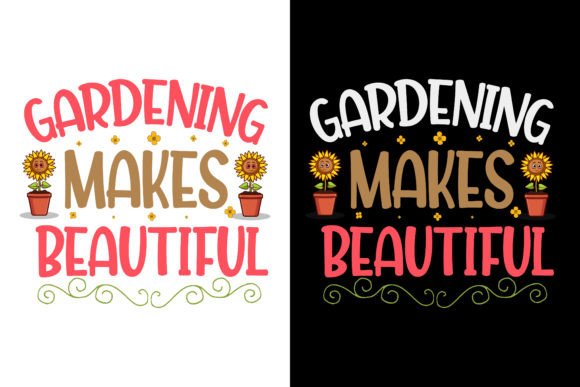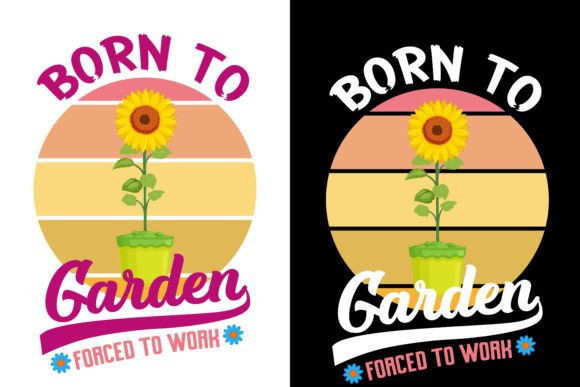
Unique and Trendy Gardening T-Shirt
A Designer’s First Look: Charm with Clear Intent
When I opened Unique and Trendy Gardening T-Shirt, what struck me wasn’t just the botanical theme—it was the confident simplicity. This isn’t a cluttered collage of trowels and tomatoes; it’s a clean, vector-based composition with intentional negative space, balanced weight, and subtle personality—like a friendly wink to gardeners who appreciate both dirt under their nails and design under their fingertips. As an embroidery designer who’s stitched hundreds of themed projects, I immediately pictured this on a natural linen tote bag for a local nursery’s pop-up shop—not as filler, but as the quiet centerpiece that invites conversation.
Where It Shines: Real Projects, Real Stitching
This design works especially well for custom apparel where clarity matters more than complexity: lightweight cotton tees, unstructured aprons, relaxed-fit sweatshirts, and even baby onesies (if scaled down thoughtfully). Its open layout avoids dense fill stitch traps—no risky satin-stitched leaves or micro-details that vanish under thread. That makes it forgiving for embroidery project beginners and reliable for high-volume craft business runs. I tested a mockup on a medium-weight organic cotton towel, and the shape held its charm without bleeding or distortion—even after two washes in cold water.
For Etsy sellers and boutique owners, Unique and Trendy Gardening T-Shirt reads as handmade without shouting “handmade.” It feels curated, not generic—a subtle advantage when customers scroll past dozens of gardening motifs. On a canvas patch or embroidered cap front, it carries enough visual weight to stand alone but stays light enough to layer tastefully with monogrammed initials or seasonal accents like a tiny embroidered sunflower.
Where to Pause—and Plan Ahead
That same openness becomes a consideration on curved surfaces like structured caps or baseball hats. Without interior detail anchoring the shape, the outer silhouette can stretch slightly on tight curves—so if you’re using it for sweatshirt embroidery or cap embroidery, test stitch on a scrap with your exact fabric + stabilizer combo first. Also, avoid placing it directly over seams or hems unless you’ve confirmed hoop clearance; the clean lines rely on even tension, and distortion near stitching lines will mute its crispness.
On dark fabric, contrast is your friend—but don’t assume black thread is automatic. Try a deep forest green or warm terracotta instead: the design’s organic mood lifts with earthy tones, and customers consistently respond better to thoughtful color pairing than default black. And while the vectors are clean, remember this is a graphics-based asset—not a pre-digitized machine embroidery design. You’ll need to digitize it properly for your intended use, especially if planning applique design versions or layered stitch effects.
Small Details, Big Impact
- Hoop size: Its proportions suggest comfort in a 4x4 hoop, but verify before committing to production—especially if scaling for pillow cover or blanket applications.
- Stitch density: Since no stitch count is provided, run a test on medium-weight fabric with tear-away + cut-away stabilizer combo. Watch for skipped stitches in curved stems or tight corners.
- Fabric texture: Works beautifully on smooth weaves (cotton poplin, twill) but may soften on heavy terry cloth or nubby bouclé—ideal for kitchen towel or tea towel, less so for textured throws.
- Thread colors: The vector’s flexibility means you control palette. For personalized gift appeal, offer three curated thread palettes: earth-toned, pastel, and monochrome—each reinforcing a different brand voice.
Why It Builds Trust—Not Just Traffic
Customers don’t buy gardening designs—they buy identity, intention, and care. Unique and Trendy Gardening T-Shirt supports that because it looks designed, not assembled. When used on a small shop product like a ceramic planter sleeve or a set of embroidered seed packet tags, it signals attention to craft—not just commerce. That perception translates directly to perceived value, repeat orders, and word-of-mouth referrals among plant-loving communities.
I recently used a scaled-down version on a set of baby embroidery onesies for a local midwife’s client gift bundle. Parents loved how the motif felt gentle and grounded—not cutesy or overwhelming. That’s the quiet strength of this design: it doesn’t compete with the wearer or the object; it complements them. For holiday embroidery or wedding gifts (think: “Garden Party” favors), it adds sincerity without sentimentality.
Practical Notes Before You Stitch
- Always test the design on scrap fabric—same type, same dye lot, same stabilizer.
- Check how small elements render in both black-and-white and color mockups; vector clarity doesn’t always guarantee embroidery legibility.
- Compare contrast on light vs. dark backgrounds—what reads perfectly on ivory may disappear on charcoal without thread adjustment.
- Confirm licensing terms before listing as a digital embroidery file or selling finished items commercially. The description mentions suitability for PRINT ON DEMAND, but verify usage rights directly with the source.
- Use proper stabilizer: medium-cutaway for knits, tear-away for stable wovens, and add topping for looped or fuzzy fabrics like fleece or terry.
Final Thought: A Design That Grows With You
Unique and Trendy Gardening T-Shirt isn’t flashy—but then, neither is a well-tended garden. It’s steady, adaptable, and quietly confident. Whether you’re an embroidery designer building a signature collection, an Etsy seller refreshing seasonal listings, or a creative entrepreneur launching a line of garden-themed home goods, this design earns its place by doing one thing exceptionally well: supporting your vision without demanding center stage. It’s not just a T-Shirt Designs asset—it’s a thoughtful, scalable piece of design assets that lets your craftsmanship take root.