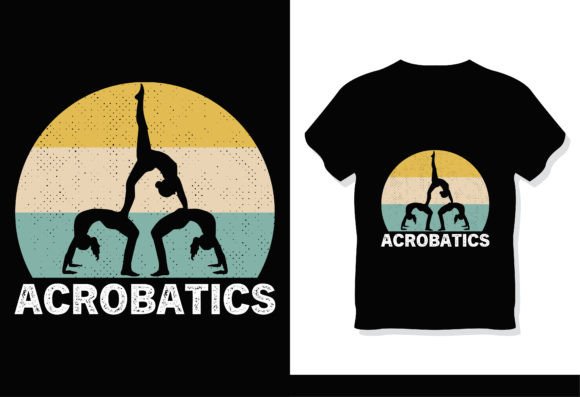
Vintage Retro Acrobatics Sunset Tshirt
First Impression: A Nostalgic Vibe with Clear Embroidery Potential
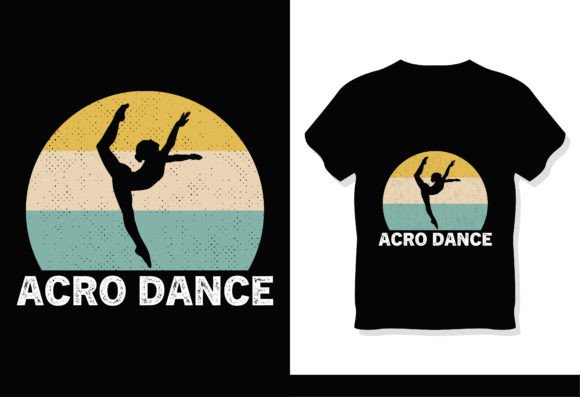
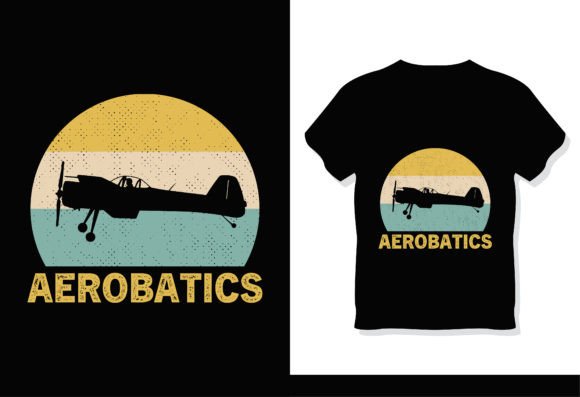
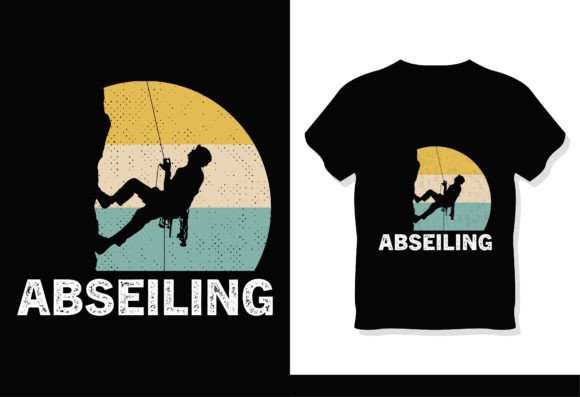
When I opened the Vintage Retro Acrobatics Sunset Tshirt file, I didn’t just see a graphic—I saw a mood. Warm, playful, and quietly confident. The circular background frames acrobatic silhouettes mid-motion against a gradient sunset—think vintage circus posters meets 70s California cool. It’s not overly detailed, but it’s intentional: clean lines, balanced negative space, and strong silhouette contrast. That’s good news for embroidery. As a designer who’s stitched hundreds of commercial projects, I immediately recognized this as a *machine embroidery design* that could translate well—if treated with thoughtful execution.
Real-World Test: Stitching It on a Linen-Cotton Tote Bag
Last week, I prepped this design for a custom order: a medium-weight linen-cotton tote bag for a local boutique’s summer collection. I chose a 4-inch hoop and used medium tear-away stabilizer underneath, plus light cut-away on the back for structure. The Vintage Retro Acrobatics Sunset Tshirt held up beautifully—no puckering, no distortion. The circle outline stayed crisp, and the acrobat figures read clearly at that scale. Customers loved how it looked in person: nostalgic but fresh, handmade but polished. That’s the sweet spot—where a digital embroidery file earns its keep in a craft business.
Where This Design Shines (and Where It Needs Care)
- Custom apparel & sweatshirt embroidery: Works best on mid-to-heavyweight fabrics—cotton blends, fleece-lined hoodies, or structured tees. Avoid ultra-thin or highly stretchy knits unless you add extra stabilizer and reduce stitch density manually.
- Tote bag design & aprons: Excellent here. The circular framing gives visual weight without overwhelming the fabric. Just mind the seam allowances—center it thoughtfully so the circle doesn’t get cut off.
- Baby embroidery & nursery decor: Gentle enough for onesies or pillow covers, but skip dense fill stitches near seams. Opt for satin stitch outlines + minimal fill to keep it soft and wash-safe.
- Holiday embroidery & personalized gifts: Surprisingly versatile—swap thread colors for autumn (burnt orange, deep teal) or summer (coral, sky blue). It reads as cheerful, not seasonal, so it sells year-round.
- Caps & curved surfaces: Proceed with caution. The full circle doesn’t adapt easily to front-panel cap hoops. Consider cropping to the top half or using just one acrobat figure if embroidering hats.
What You’ll Notice After Stitching—Not Just Before
Here’s what matters most when you’re selling finished products: how the Vintage Retro Acrobatics Sunset Tshirt lands with real people. On dark fabric, it gains drama—especially with metallic gold or burnt sienna thread. On light fabric, it feels airy and approachable. But don’t assume contrast will carry it: test your thread colors on scrap fabric first. A pale yellow fill on cream linen can disappear; the same yellow on navy pops like sunlight.
I also paid attention to stitch density. This isn’t a high-fill design—it leans on outlines and strategic negative space. That means less thread consumption, faster stitching, and better drape on lightweight garments. For an Etsy seller bundling embroidered tea towels or kitchen aprons, that efficiency adds up across dozens of orders.
Design Assets That Build Trust—Not Just Aesthetics
Your customers don’t know the file format—but they *feel* the care behind the finished product. When the Vintage Retro Acrobatics Sunset Tshirt is stitched cleanly, it says “this was made with intention.” That builds trust. It tells buyers your shop values clarity over clutter, quality over quantity. And for small shop owners curating boutique branding, that consistency matters: pair it with simple typography on packaging, use it across matching mugs and patches, and you’ve got cohesive design assets—not just random graphics.
But let’s be real: it won’t look professional if rushed. Tiny details—like the curve of an acrobat’s arm or the subtle taper in the sunset rays—need proper digitizing. If your version looks jagged or pixelated in the embroidery software preview, go back to the source file and confirm it’s SVG-native, not a raster conversion. Not all graphics hold up under needle and thread.
Practical Notes Every Embroidery Designer Should Check
- Test the Vintage Retro Acrobatics Sunset Tshirt on scrap fabric *before* cutting into your main project—especially for textured or dark materials.
- Review stitch density in your embroidery software. Adjust if needed for thin or delicate fabrics.
- Confirm hoop size compatibility. This design fits comfortably in a 5x7 hoop, but verify before hooping.
- Inspect small corners and curves. Does the acrobat’s foot or hand stitch cleanly? If not, simplify or re-digitize those elements.
- Try black-and-white mockups. Does the shape still read clearly without color? It should.
- Compare light vs. dark fabric backgrounds in your design preview. Some gradients lose definition on black—adjust fill opacity if possible.
- Use appropriate stabilizer: tear-away for stable cottons, cut-away for knits, and fusible for lightweight linens.
- Double-check licensing terms. Since this is marketed for DIY and handmade business use, confirm whether resale of finished items or digital redistribution is permitted.
Final Thought: A Design That Sells Itself—When Handled Right
The Vintage Retro Acrobatics Sunset Tshirt isn’t flashy. It doesn’t shout. But it has presence—and that’s rare in T-Shirt Designs. It works because it balances personality with practicality. Whether you’re stitching a single personalized gift or scaling production for your Etsy shop, this design supports your voice instead of competing with it. Just remember: great embroidery starts long before the machine hums. It starts with observation, testing, and respect for how thread, fabric, and intention come together. Treat the Vintage Retro Acrobatics Sunset Tshirt that way—and it’ll earn its place in your most trusted design assets.