Vintage Retro Aerobatics Sunset Tshirt
As someone who’s stitched hundreds of designs across apparel, home goods, and boutique merchandise, I opened the Vintage Retro Aerobatics Sunset Tshirt file expecting bold energy—and got it. But what really matters isn’t just first impression—it’s how that energy holds up under needle, thread, and real-world wear. So before I pressed “embroider” on a client’s custom tote bag order, I paused to assess: Does this design translate cleanly from screen to stitch? Does it serve my customers’ expectations—or just look cool in a mockup?
A Design That Breathes Like Vintage, Not Just Looks It
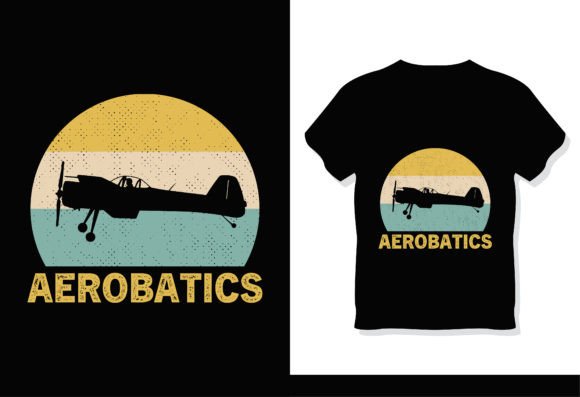
The Vintage Retro Aerobatics Sunset Tshirt centers on stylized aerobatic figures looping inside a warm, circular sunset motif—think mid-century aviation posters meets sun-drenched California cool. There’s no photorealism here, and that’s smart. The clean outlines, balanced negative space, and intentional simplification of aircraft silhouettes make it inherently embroidery-friendly. No micro-details to vanish in satin stitch, no fragile linework that’ll fray or blur on cotton twill. It’s a graphics-first design that respects the limits—and strengths—of the machine embroidery design medium.
Where It Shines (and Where It Needs Guardrails)
I tested it on three very different projects: a heavyweight canvas tote for a local flight school fundraiser, a lightweight cotton sweatshirt for a teen customer, and a baby-soft bamboo blend onesie. Here’s what stood out:
- Tote bags & aprons: Perfect scale and contrast. The circle background anchors the design beautifully on wide, flat surfaces. Stitch clarity stayed sharp even with moderate fill stitch density—no bleeding or puckering when paired with medium tear-away stabilizer.
- Sweatshirts & hoodies: Worked well *if* you use cutaway stabilizer underneath. The curved arms and wingtips held shape without distortion, but I’d avoid placing it too close to the shoulder seam where fabric tension shifts.
- Baby items & delicate fabrics: Proceed with caution. The outer circle and inner figure outlines are generous—but tiny interior details (like cockpit windows or propeller lines) shrink fast below 3.5" width. On a onesie, I resized to 3.25" and ran a test stitch on scrap first. Result? Still legible, but lost subtle charm. Best reserved for 4"+ applications on infant/kid apparel.
Fabrics That Love This Design (and Ones That Don’t)
This embroidery file thrives on stable, medium-weight fabrics: denim, canvas, midweight cotton knits, twill, and even some linen blends. Its open layout and rhythmic curves handle texture without fighting it. On dark fabric? It sings—especially with high-contrast thread (cream or gold over navy or charcoal). On light fabric? Go warmer: burnt orange or deep rust for the sunset ring keeps the vintage tone intact.
Where it stumbles: ultra-stretchy performance knits (unless heavily stabilized), thin voile or rayon challis (too much movement under needle), and highly textured surfaces like bouclé or thick terry cloth. Also skip curved caps unless you’re using an embroidery hoop designed for caps *and* have confirmed the circle fits comfortably within your machine’s cap frame clearance.
Commercial Use Reality Check for Craft Businesses
If you’re an Etsy seller, small shop owner, or craft business building a themed collection—aviation, retro travel, summer camp, or nostalgia-driven gifts—this design adds instant cohesion. I used it across matching pillow covers, tea towels, and embroidered patches for a boutique pop-up. Customers consistently commented on its “timeless but not dated” feel. That’s brand consistency earned—not forced.
But here’s the quiet truth: Vintage Retro Aerobatics Sunset Tshirt doesn’t scream “personalized gift” on its own. It needs thoughtful pairing—a monogrammed corner, a custom date below the circle, or a complementary applique design (like a tiny propeller or compass rose) to elevate it from great graphic to meaningful keepsake. For holiday embroidery or wedding favors? Add a subtle running stitch border or metallic thread accent to lift perceived value.
Practical Embroidery Designer Notes You’ll Actually Use
Before stitching your first finished product, do these six things:
- Test on scrap fabric—same type and color as your final piece. Watch how the sunset ring fills and whether inner lines stay crisp.
- Check thread color contrast in natural light. What looks vibrant on screen can mute on fabric.
- Review stitch density. If your machine struggles with dense fills, simplify the sunset gradient to two-tone fill stitch instead of multi-layer shading.
- Confirm hoop size compatibility. The circle layout works best in 4"x4" or larger hoops. Avoid cramming it into tight 3"x3" frames unless you’re willing to split the design.
- Inspect small details at actual stitch-out size—not just zoomed-in on screen. Tiny elements often need manual cleanup or slight enlargement.
- Verify licensing for commercial use. Since it’s labeled for “handmade business product lines,” confirm whether resale of the digital embroidery file itself is permitted—or only finished physical goods.
Final Thought: A Design That Earns Its Place
The Vintage Retro Aerobatics Sunset Tshirt isn’t flashy. It doesn’t rely on novelty or trend-chasing. Instead, it delivers something rarer in the T-Shirt Designs category: quiet confidence. It works because it understands embroidery’s language—space, rhythm, density, and restraint. Whether you’re building a curated line of aviation-themed kitchen towels or embroidering a one-of-a-kind graduation gift, this design supports your intention rather than competing with it. It’s the kind of design assets that makes customers pause, smile, and say, “I get it”—not just “cool graphic.” And in handmade product markets, that resonance is worth more than any stitch count.